Lakes, Rivers & Outdoor Recreation
Gantt Lake, the Sepulga River canoe trail with shark teeth fossils in the limestone, spring-fed pools, and state parks within 20 miles. Water and wilderness are part of what defines this corner of Alabama.
Audio narration coming soon
A narrated version of Lakes, Rivers & Outdoor Recreation is being prepared.
Water runs through Covington County’s identity, geographically and culturally both. The Conecuh River defines the southern border. The Sepulga River cuts through the northwest. Gantt Lake sprawls across 2,700 acres near the county line. Before roads, these rivers moved people and goods. Before air conditioning, they provided relief from Alabama summers. The region’s outdoor recreation still centers on getting to water and into the woods.
Gantt Lake
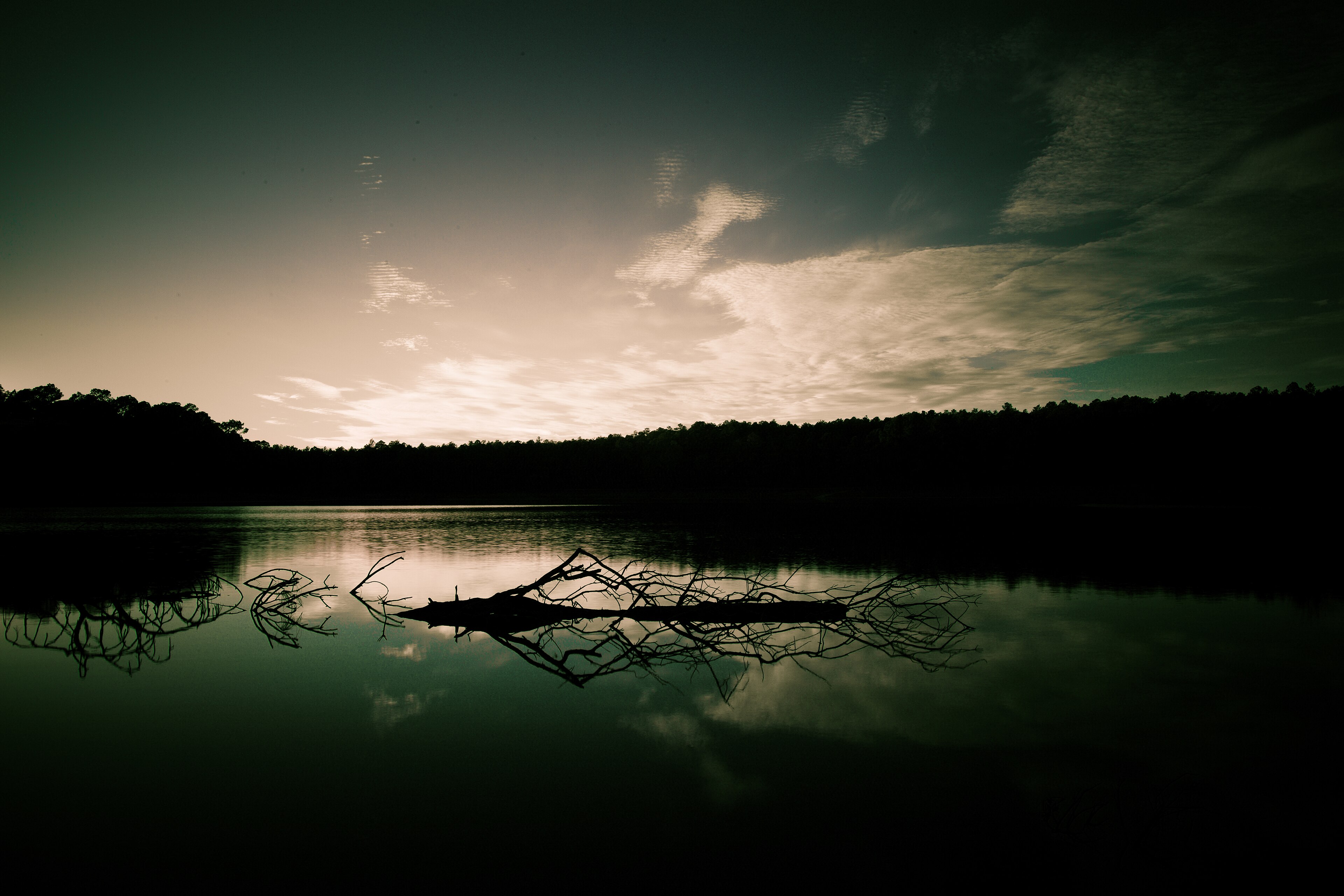
Gantt Lake covers 2,747 acres with 21 miles of shoreline, created in the 1920s when River Falls Power Company dammed the Conecuh River. PowerSouth Energy Cooperative operates it now, generating electricity while providing recreational access. The lake sits about 15 miles south of Andalusia, straddling the Covington-Conecuh county line near the town of Dozier.
The shoreline is mostly wooded, with limited development compared to more built-up Alabama lakes. That gives it a quieter, less crowded character. You’ll find bass, crappie, catfish, and bream, making it a fishing destination. The warm, shallow sections of the lake support healthy populations of largemouth bass, while deeper areas hold catfish and crappie.
Cypress Landing RV Park operates on the lake at 32249 Riverland Drive, Dozier. The park offers RV sites, boat ramps, and kayak and pedal boat rentals for people who want to get on the water without trailering their own boat. During summer months, the park hosts concerts and community events, making it a gathering spot beyond just camping and boating.
The lake’s name comes from Henry Gantt, an engineer who developed the Gantt chart — the project management tool you’ve probably used without knowing who invented it. He worked on the dam project, and the lake was named in his honor. That kind of engineering history is specific to the early 20th-century power dam era, when rural electrification was reshaping the South.
Gantt Lake is a working lake: electricity generation paired with public recreation access, not a destination resort with marinas full of expensive boats and waterfront mansions. You bring your boat, your fishing gear, your cooler, and spend the day on the water. It’s been that way since the 1920s.
Point A Lake
Point A Lake sits nearby, offering similar fishing and boating opportunities. It’s smaller and quieter than Gantt, serving primarily local anglers and families. The lake is stocked with bass, bream, and catfish, providing accessible fishing close to Andalusia.
Like many smaller Alabama lakes, Point A functions as a community resource rather than a commercial attraction. You’ll find local knowledge about where the fish are biting, what bait works, and which spots produce during different seasons. That kind of fishing depends on talking to people who’ve been working the same water for decades.
Sepulga River Canoe Trail
The Sepulga River cuts through the northwest part of Covington County, offering one of the more distinctive paddling experiences in South Alabama. The river runs deep in sections, with limestone walls rising along the banks. Class 1 rapids provide enough current to keep things interesting without requiring advanced whitewater skills. The geology and fossils make the Sepulga as notable as the paddling.
You’ll find shark teeth in the limestone along the riverbanks. Not modern sharks; fossilized teeth from ancient species that swam in the shallow seas that covered this region millions of years ago. The limestone formed from the compressed remains of marine life, and erosion along the river exposes these fossils. If you know where to look and what to look for, you’ll find teeth embedded in the rock or loose in the gravel.
The river also features waterfalls, caves, and limestone shelves where you can pull over and swim. The swimming spots are deep enough and clear enough to be worth the stop, especially during summer when the air temperature hits the mid-90s and the humidity makes you feel like you’re breathing through a wet towel.
A popular section runs from Bull Slough Bridge to Bottle Creek, about 8 miles. That’s a half-day paddle, depending on water levels and how many times you stop to explore. The river runs through wooded, undeveloped land for most of that stretch, giving you a sense of what this country looked like before roads and clearcuts.
The Sepulga is a working river, not a maintained, marked trail with designated put-ins and take-outs every few miles. Access points sit at bridges and informal landings. You need to plan your route, understand the shuttle logistics, and know what you’re doing on moving water. Local outfitters can provide shuttle services and current river conditions.
This is the kind of river that rewards people who seek it out: paddlers, amateur paleontologists, people who want to spend a day moving through a landscape that hasn’t changed much in a long time.
Frank Jackson State Park (Opp)
Frank Jackson State Park sits about 20 miles east of Andalusia near the town of Opp. The park covers 2,050 acres surrounding 1,000-acre Lake Jackson, a reservoir created by damming Lightwood Knot Creek. It’s named after Frank Jackson, a former state representative from Opp who worked to establish the park in the 1970s.
The park offers RV camping with full hookups, primitive camping, picnic shelters, fishing, and hiking. A boardwalk trail extends out over the lake to a small island, providing accessible wildlife viewing and a destination for families with young kids. The walking trails cover more than 3 miles, winding through pine and hardwood forest.
During October and November, the park hosts “Scarecrows in the Park,” a fall festival featuring scarecrow displays, crafts, hayrides, and seasonal activities. It’s become a regional draw, with families making it a tradition to visit during the autumn display.
Lake Jackson holds bass, bream, crappie, and catfish. The fishing is steady, and the lake sees less pressure than more well-known Alabama fishing destinations. The park also sits on the Wiregrass birding trail, making it a stop for birdwatchers tracking seasonal migrations and resident species.
The park address is 100 Jerry Adams Drive, Opp. It operates year-round, with camping and day-use facilities available. The park is managed by the Alabama State Parks system, so you’ll find maintained facilities and regular operation hours.
Florala City Park / Lake Jackson
Not to be confused with the Frank Jackson State Park lake, this Lake Jackson sits in Florala on the Alabama-Florida state line. The 500-acre lake is one of the cleanest in Alabama, with white sand beaches and clear water. Florala City Park provides access, with swimming, boating, fishing, and picnicking facilities.
The lake sits right on the state line — you can swim from Alabama into Florida. The clarity of the water and the white sand make it feel more like a beach than a typical Alabama lake. It’s fed by springs, which helps maintain water quality and temperature.
Florala is about 30 miles east of Andalusia, making Lake Jackson a reasonable day trip. The park sees heavy use during summer weekends, particularly from families looking for swimming options. The lake also sits on the Wiregrass birding trail, with wetland habitat supporting wading birds, waterfowl, and migratory species.
The address is 439 Victoria Lane, Florala. The park is city-operated, with seasonal lifeguards and maintained facilities during peak months.
Cooper Pool and City Pools
Andalusia maintains public swimming pools within city limits, including Cooper Pool, which offers swim lessons, water aerobics, and open swim during summer. These are traditional municipal pools: concrete basins, diving boards, lifeguard stands, and the smell of chlorine and sunscreen.
The pools serve a functional purpose, particularly for families without lake access or transportation to state parks. Kids take swim lessons here, learning basic water safety and swimming fundamentals. Adults use the pools for lap swimming and water aerobics, which offer low-impact exercise during hot months.
Public pools are baseline infrastructure in the South, where summer heat makes water access essential. Andalusia’s pools operate as part of the Parks and Recreation Department, with seasonal hours and modest admission fees.
Open Water Culture
The relationship between Covington County residents and water goes deeper than recreation. Before rural electrification, rivers and creeks were where you cooled off, washed clothes, and found relief from heat that could kill if you weren’t careful. Before highways, the Conecuh River was the main transportation route to the Gulf Coast.
That history shapes how people here think about water. It’s functional, not scenery. You fish because fish are food. You swim because the heat is oppressive. You learn to paddle a canoe because rivers go places roads don’t.
The state parks and managed facilities provide access, but the real knowledge lives with people who’ve been running the same rivers, fishing the same holes, and finding the same swimming spots for decades. That knowledge doesn’t show up on websites or in park brochures. You learn it by asking, by going with someone who knows, by spending enough time on the water to recognize patterns.
Gantt Lake and the Sepulga River are regional resources that serve local populations and attract people who seek out less-developed outdoor experiences, not tourist destinations in the commercial sense. The infrastructure is minimal: boat ramps, informal access points, a few RV parks. The rest is the water, the woods, and what you bring to it.
Practical Notes
If you’re planning to paddle the Sepulga, check water levels and weather before you go. The river can rise fast after heavy rain, turning Class 1 rapids into something more serious. Shuttle logistics require either leaving a vehicle at the take-out or arranging transport. Local outfitters can help with both.
Fishing Gantt Lake or Point A requires an Alabama fishing license, available online or at local retailers. If you’re fishing from a boat, standard boating safety regulations apply — life jackets, registration, navigation lights.
State parks charge day-use and camping fees. Frank Jackson State Park and Florala City Park both have current fee schedules posted online or available by phone.
Summer weekends see the heaviest use at all these locations. If you want quiet water and empty trails, go during the week or during shoulder seasons — early spring and late fall.
What This Means
Water defines Covington County’s outdoor recreation, just as timber and agriculture define its economy. The rivers that once floated logs to the mills now float canoes and kayaks. The lakes built for power generation now host bass boats and paddleboards. The creeks that cooled off farmhands after a day in the fields now host families teaching kids to swim.
The infrastructure is modest, the development limited, the crowds manageable. That’s part of the appeal for people who seek it out. If you want theme parks and jet ski rentals, you’ll drive to the coast or to one of the larger reservoir lakes. If you want to paddle a river where you might find million-year-old shark teeth in the limestone, you come to the Sepulga.
This is outdoor recreation built on access to genuine wild places, maintained just enough to keep them accessible without turning them into managed attractions. It works because the land and water can handle the use, and because the people who manage these resources understand the balance between preservation and access.