Arts and Culture
A dedicated cultural arts centre, historic downtown murals, a children's literacy festival running for 46 years, and a museum on the square — Andalusia's cultural life is rooted in community effort.
Audio narration coming soon
A narrated version of Arts and Culture is being prepared.
Andalusia’s cultural scene is genuine and community-driven. A renovated 1920s school building serves as the town’s arts center. Murals by a local artist tell the town’s story across downtown walls. A free museum on the square preserves everything from pioneer cabins to model railroads. And a children’s literacy festival has been running for more than 46 years straight. These aren’t corporate-sponsored attractions — they’re what happens when people invest in their town.
Church Street Cultural Arts Centre
The anchor of Andalusia’s arts scene is the Church Street Cultural Arts Centre, housed in a former school building constructed between 1921 and 1923. The building sat empty for years before a community effort raised funds to renovate it, reopening in 2010-2011 as a multi-use arts facility.
The center is home to the Andalusia Ballet Association, which offers dance classes and puts on annual recitals. The building also hosts traveling performances, community theater productions, and local events that need a proper venue with a stage and seating.
Having a dedicated arts space in a town this size is something worth appreciating. The Church Street Centre gives local kids a place to take dance lessons, adults a place to perform, and the community a gathering spot for cultural events beyond football games and church services.
The building itself is worth noticing — red brick, early 20th-century institutional architecture, the kind of solid construction that lasts when someone bothers to maintain it. The renovation preserved the original character while updating the infrastructure.
Wes Hardin’s Downtown Murals
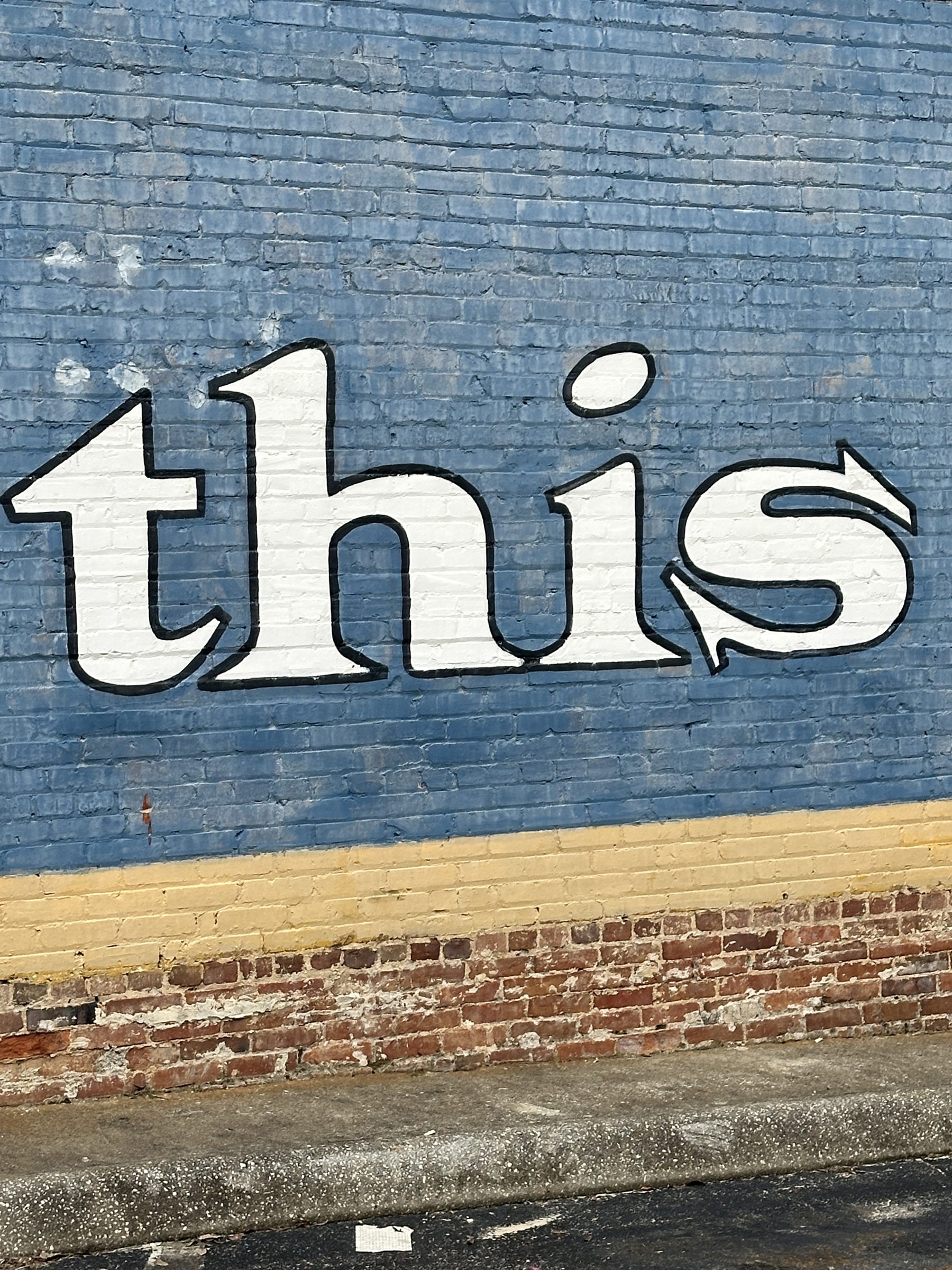
Drive around the square in downtown Andalusia and you’ll see the work of Wes Hardin, a local artist who has painted several large murals on building walls. These are representational paintings of local history and culture, designed to tell stories about where this place came from.
The “Legend of Andalusia” mural depicts the disputed origins of the town’s name — whether it came from Andalusia, Spain, or from a steamboat that ran on the Conecuh River. The “Early Courthouses” mural shows the succession of county courthouses, including the ones that burned under suspicious circumstances in the 19th century.
The “Soda Fountain” mural recreates the interior of an old-time drugstore soda fountain, a slice of small-town life that’s now mostly memory. The “Timber and Logging” mural acknowledges the industry that built this region’s economy — the cutting and hauling of longleaf pine that turned forests into lumber and turpentine.
Hardin’s style is straightforward and rooted in local storytelling. The murals give downtown visual life and serve as conversation starters about the town’s history — from the Creek War era through the timber boom and beyond.
Three Notch Museum
The Three Notch Museum, operated by the Covington County Historical Society, sits on the corner of the town square. Admission is free. The museum houses local artifacts, photographs, documents, and exhibits that tell the story of Andalusia and Covington County.
One of the museum’s highlights is the Mark Gibson Miniature Railroad, an elaborate model train layout that draws kids and railroad enthusiasts alike. It’s the kind of thing that takes patience and skill to build, and it’s impressive to see up close.
The Clark Family Log Cabin, relocated to the museum grounds, gives visitors a sense of what pioneer life looked like in South Alabama. It’s a one-room cabin with a fireplace, rough-hewn logs, and very little in the way of comfort. Standing inside it makes you grateful for air conditioning and running water.
The museum also hosts rotating exhibits on topics like local military history, the textile industry, Native American artifacts, and the lumber era. Volunteers keep the place running, many of them working for years because they believe it matters to preserve the past.
The Storybook Festival
The Storybook Festival, organized by the Coterie Club, has been running for more than 46 years. It’s a children’s literacy event that brings authors, illustrators, and storytellers to town, giving local kids a chance to meet real writers and hear stories read aloud.
Events like this make books feel interesting rather than homework. They show kids that stories come from real people instead of only screens. They give teachers and librarians a tool to encourage reading outside the classroom.
The fact that it’s been happening for more than four decades says something about the commitment of the people running it. Consistency like that doesn’t happen by accident.
Local Arts Scene
Beyond the formal institutions, Andalusia has an arts scene held together by individual effort. There are painters, writers, and musicians throughout the community. Some show their work at local coffee shops or church events. The cultural arts center hosts community art shows where residents display paintings, photography, quilts, woodwork, and other crafts.
Music in Andalusia happens in churches, at school band concerts, and at community events. The high school marching band is competitive and well-regarded, performing at football games and participating in regional competitions. The A-Town Invitational, a marching band competition hosted by Andalusia High School, brings bands from across the state to perform and compete.
Building on What’s Here
The Church Street Cultural Arts Centre, the Three Notch Museum, the Storybook Festival, and Wes Hardin’s murals represent sustained community investment in cultural life. They represent people choosing to put time and money into things that make a town more than just a place to sleep.
Culture is identity and continuity. It gives kids something to aspire to. It makes a place feel alive. Andalusia’s arts scene is community-sized and community-driven, and as long as people keep showing up to dance recitals, visiting the museum, and painting murals downtown, it’ll keep growing.